
Satisfies 1 requirement
Favorable Price Natural Stone Marble Mosaic Tile Fluted Kitchen Wall Tiles Marble Living Room Decoration Marble for Project Mosaic
US$49.00-69.00
50 Square Meters(MOQ)

40000+ products and 10000+ suppliers results


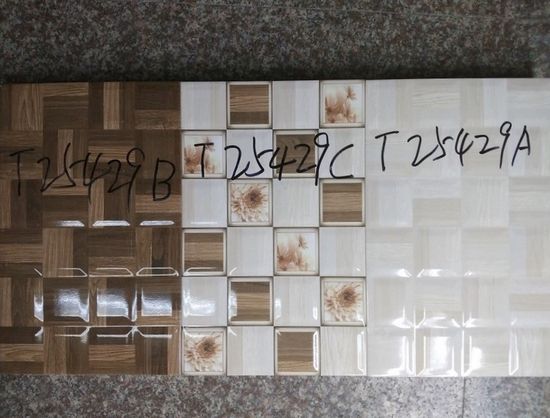


When sourcing wooden mosaic tiles, the price is primarily driven by wood species, backing material, and craftsmanship. Premium hardwoods like Teak, Walnut, or Oak command higher prices due to their natural durability and grain patterns. Ensure the wood has been kiln-dried to a moisture content of 8%-12% to prevent warping or cracking after installation. For the backing, nylon mesh is the standard for easy installation, while solid wood backing is more expensive but offers better structural integrity. Always request a Grade A rating for surface finish to ensure no visible knots or splinters.
As a cross-border buyer, you must prioritize FSC (Forest Stewardship Council) certification to ensure the timber is legally and sustainably sourced, which is a requirement for many Western markets. Additionally, verify that the adhesives and finishes used meet E0 or E1 formaldehyde emission standards to ensure indoor air quality safety. For US-bound shipments, compliance with the Lacey Act is mandatory to prove the legality of the wood species.
Pay close attention to the UV-coating or oil finish; a high-quality protective layer prevents fading from sunlight and provides water resistance, which is critical if the tiles are used in semi-humid environments like covered patios or commercial lounges. Check the interlocking precision—high-end manufacturers use CNC cutting technology to ensure a seamless fit with a variance of less than 0.5mm, reducing labor costs during installation.
To maximize value, consider ordering in full container loads (FCL), as wooden tiles are heavy and high-volume shipping significantly reduces the per-unit freight cost. Many suppliers on Made-in-China.com offer tiered pricing, where orders exceeding 500 square meters can trigger discounts of 15-20%. Additionally, sourcing reclaimed wood mosaics can sometimes offer a unique aesthetic at a lower tax bracket in certain regions due to their 'recycled' classification.
The most significant risk is biological contamination. Many countries require a Phytosanitary Certificate and may mandate fumigation (ISPM 15) for wooden products and their packaging to prevent the spread of pests. Failure to provide this documentation can lead to customs seizure or expensive port-side treatment fees.
Always use Secured Trading Services provided by platforms like Made-in-China.com to protect your payment until the goods are shipped. Negotiate a payment term of 30% deposit and 70% balance against the Bill of Lading (B/L). Before the final payment, hire a third-party inspection agency (like SGS or Intertek) to perform a random sampling test to verify that the wood species and moisture content match the proforma invoice.
Since wooden tiles are high-density goods, sea freight is the only economically viable option for bulk orders. Ensure the supplier uses heavy-duty pallets with plastic corner protectors and shrink-wrap to prevent moisture absorption during the sea voyage. For 'door-to-door' convenience, ask for DDP (Delivered Duty Paid) terms if you do not have a local customs broker, as this simplifies the tax and duty process.