
Satisfies 1 requirement
on/off Grid Three Phase Hybrid Solar Inverter 6kw 8kw 10kw 12kw with DC AC for Solar Energy Storage Lithium Battery System
US$975.00-1,200.00
1 Piece(MOQ)

90000+ products and 20000+ suppliers results
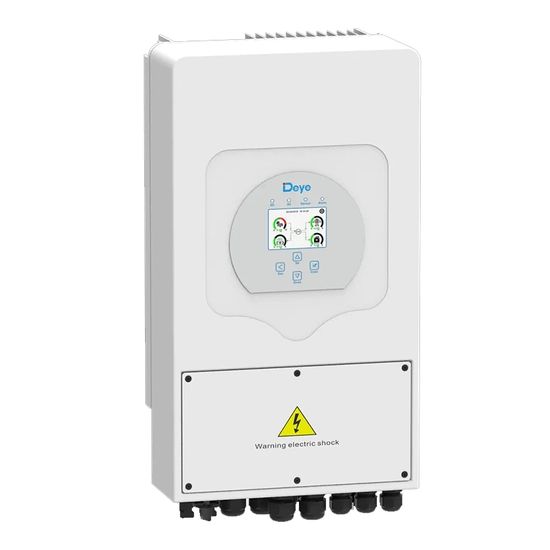


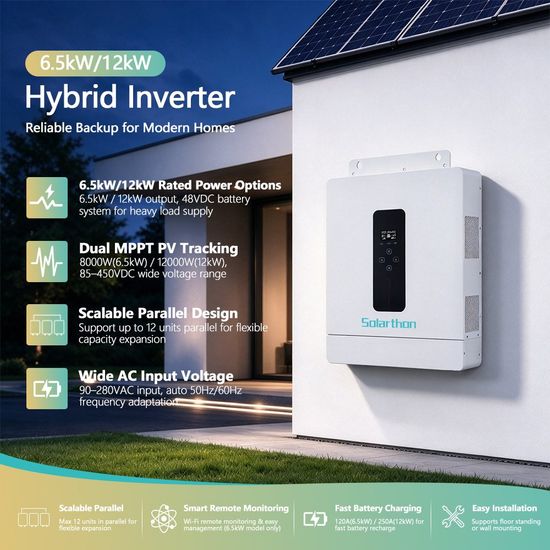

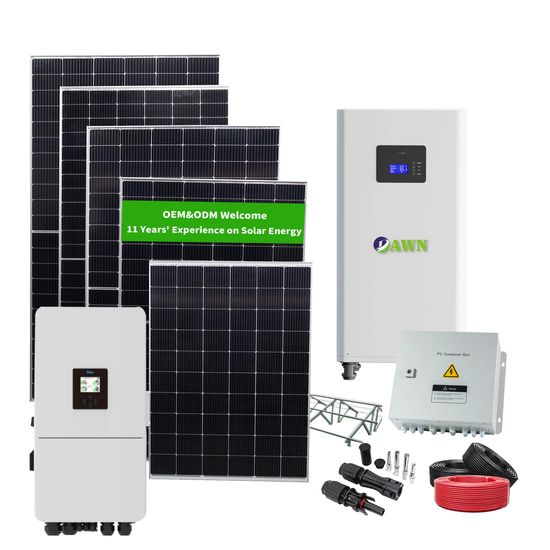


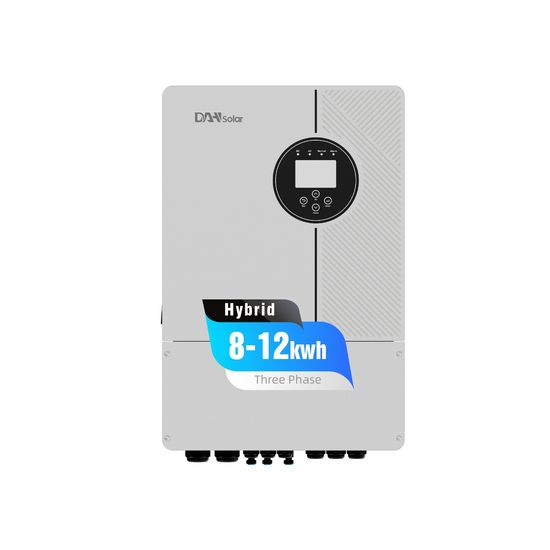


When sourcing these systems, you must prioritize Power Rating (kW) and Battery Capacity (kWh). Ensure the inverter supports Pure Sine Wave output to protect sensitive electronics. For the battery, verify the Depth of Discharge (DoD)—top-tier lithium (LiFePO4) batteries should offer 90% or higher. Additionally, check the Maximum PV Input Voltage and MPPT (Maximum Power Point Tracking) efficiency, which should ideally be above 99% to maximize solar energy harvest.
Compliance is non-negotiable for lithium-based systems. Ensure the product carries UN38.3 certification for safe battery transport and MSDS (Material Safety Data Sheet). For electrical safety, look for IEC 62109 (inverters) and IEC 62619 (lithium batteries). If exporting to Europe, CE and RoHS are required; for North America, UL 1741 and UL 1973 are the gold standards. Always request test reports from accredited third-party labs like TUV or SGS.
Hybrid systems offer seamless switching between solar, battery, and grid power. This provides Energy Arbitrage capabilities (charging during low-tariff hours and discharging during peak hours) and Uninterrupted Power Supply (UPS) functionality with a switching time of <10ms. For commercial buyers, this ensures operational continuity and a significantly faster Return on Investment (ROI) through reduced demand charges.
Modern LiFePO4 (Lithium Iron Phosphate) batteries typically offer a cycle life of 6,000+ cycles at 80% DoD, translating to roughly 10-15 years of daily use. Unlike lead-acid batteries, they require zero active maintenance but must be managed by a high-quality BMS (Battery Management System) that monitors cell voltage, temperature, and State of Charge (SoC) to prevent thermal runaway.
Lithium batteries are classified as Class 9 Dangerous Goods. You must ensure the supplier provides UN-certified packaging and uses freight forwarders experienced in handling hazardous materials. Sea freight is the most economical for bulk orders, but you must confirm the port of entry accepts dangerous goods to avoid costly diversions or impoundment.
Prioritize Audited Suppliers who have undergone on-site inspections by third-party agencies. Check their Business License, Export Experience, and specifically their Production Capacity for energy storage systems. It is highly recommended to use Star Direct or similar secure transaction services to ensure your payment is protected until the goods are shipped.
Focus on the Price per Watt (for inverters) and Price per kWh (for batteries). Negotiate for extended warranties (e.g., 5 years for inverters, 10 years for batteries) rather than just price cuts. Ask for 1-2% spare parts (like BMS boards or cooling fans) to be included in the shipment to handle minor repairs locally, reducing your after-sales overhead.
Be aware of Anti-Dumping Duties (ADD) or specific Green Energy Subsidies in your target country. For example, some regions offer VAT exemptions for renewable energy products. Always clarify the HS Code (typically 8504.40 for inverters and 8507.60 for lithium batteries) with your customs broker to calculate the Total Landed Cost accurately before placing a large order.