
Satisfies 1 requirement
Safely Stainless Steel Vertical Lift Conveyor for Food Industry Material Handling
US$1,500.00-3,100.00
1 Set(MOQ)

100000+ products and 50000+ suppliers results


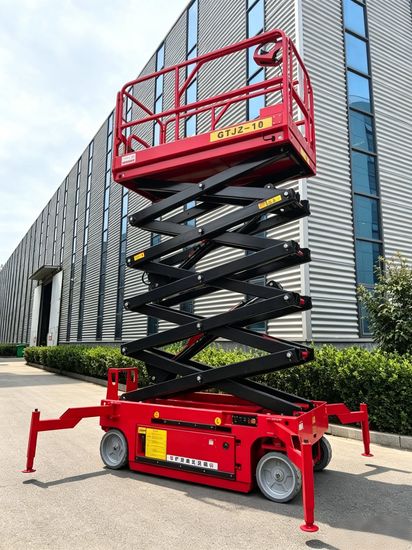


The price of a food lift is primarily driven by load capacity (typically 50kg to 300kg), lifting height (number of floors), and traction system type. For high-end commercial use, prioritize 304 stainless steel construction for hygiene and corrosion resistance. Ensure the motor uses VVVF (Variable Voltage Variable Frequency) drive technology to guarantee smooth starts and stops, which prevents liquid spills or food displacement during transport.
Buyers must ensure the equipment complies with EN 81-3 (European standard for service lifts) or local equivalents like ASME A17.1 in the US. Key safety features should include electromechanical door interlocks (preventing the lift from moving unless doors are closed), emergency stop buttons, and overload sensors. For food safety, verify that the cabin interior is food-grade certified and features coved corners for easy cleaning and sanitization.
The choice between a structure-supported (self-supporting tower) and a shaft-mounted lift significantly impacts costs. Self-supporting models reduce the need for extensive masonry work, lowering on-site installation expenses. Additionally, consider the power supply requirements (single-phase vs. three-phase); choosing a model that matches your building's existing electrical infrastructure can save thousands in utility upgrades.
For restaurants, removable shelves and heated cabin options are vital for maintaining food temperature. For hospitals or laboratories, automatic doors and touchless infrared sensors are recommended to maintain sterile environments. Always confirm if the supplier provides bi-directional communication systems between floors to coordinate staff efficiency.
Always request a Pre-Shipment Inspection (PSI) by a third-party agency like SGS or Intertek. Specifically, ask for a factory acceptance test (FAT) video showing the lift operating with its rated load. When sourcing via Made-in-China.com, prioritize 'Audited Suppliers' who have undergone verified on-site inspections of their manufacturing facilities and quality management systems.
Focus on the spare parts package and warranty extension rather than just the unit price. Negotiate for a 2-year wear-and-tear parts kit (including rollers, contactors, and limit switches) to be included in the FOB price. For bulk orders (e.g., for a hotel chain), aim for a 10-15% discount by consolidating the shipment to reduce per-unit logistics costs.
Food lifts are heavy and contain sensitive electronics; ensure the supplier uses IPPC-certified fumigated wooden crates with vacuum plastic wrapping to prevent sea-air corrosion. Clarify the HS Code (typically 842839) with your customs broker to determine exact import duties. For shipping to the US or Europe, ensure the CE or UL markings are clearly visible on the nameplate to avoid customs seizures.
Utilize Secured Payment services provided by platforms like Made-in-China.com to ensure funds are only released upon confirmation of shipment. Regarding after-sales, confirm that the supplier provides detailed installation manuals in English and remote technical support via video call, as local elevator technicians will need guidance on the specific wiring diagrams of the imported unit.