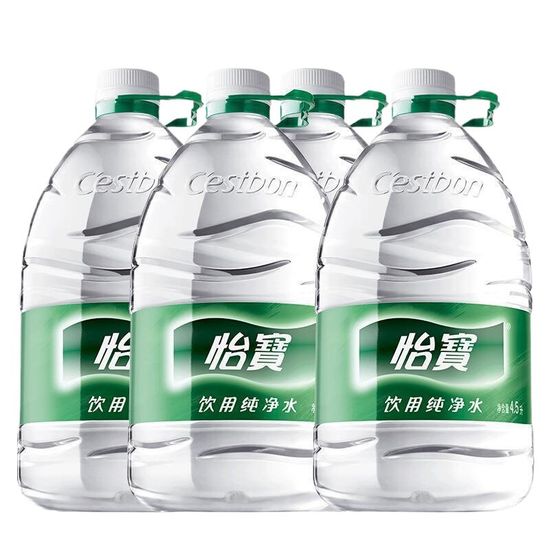
The World's First Pure Natural Pet-Specific Drinking Water Rich in Mineral Trace Elements

All-Natural, Additive-Free, and Rich in Minerals, Pet-Specific Drinking Water

I have found results from400+products and200+suppliers aboutMineral water


B2B buyers must ensure that the mineral water complies with international food safety standards. Key certifications include ISO 22000 (Food Safety Management) and HACCP (Hazard Analysis and Critical Control Points). For specific markets, you must verify compliance with the FDA (USA), EFSA (EU), or the GB 8537 standard (China). Always request a Certificate of Analysis (CoA) from the supplier to verify mineral content and the absence of contaminants like heavy metals or harmful bacteria.
The value of mineral water lies in its source (artesian, spring, or well) and its TDS (Total Dissolved Solids) levels. High-quality mineral water should have a stable mineral profile including Calcium, Magnesium, and Potassium. You should ask the supplier for a Geological Survey Report of the water source to ensure it is protected from environmental pollution and that the mineral levels are naturally occurring rather than artificially added.
Packaging must be both durable and compliant. For PET bottles, ensure they are BPA-free and meet food-grade standards. For premium markets, glass bottles are preferred but require specialized protective packaging to prevent breakage. Check the sealing technology to ensure it is tamper-evident. Additionally, ensure the labeling includes all legally required information such as source location, mineral composition, expiration date, and batch number in the destination country's language.
Modern consumers prioritize sustainability. Look for suppliers offering rPET (recycled PET) bottles or biodegradable packaging options. Evaluate the supplier's water extraction ethics to ensure they are not depleting local water tables. Choosing a supplier with Carbon Neutral certifications or those located closer to major shipping ports can significantly reduce the environmental footprint and logistics costs of your procurement.
The biggest risks include logistics damage (leaks/breakage) and customs rejection due to non-compliant labeling or failed microbial tests. To mitigate this, use Third-Party Inspection services like SGS or Intertek to conduct pre-shipment testing. Ensure your contract includes a Quality Guarantee clause that specifies the shelf-life requirements upon arrival at the destination port.
Mineral water is heavy, making freight costs a significant portion of the TCO (Total Cost of Ownership). It is highly recommended to ship via Full Container Load (FCL) to maximize space and minimize unit shipping costs. Negotiate FOB (Free On Board) terms to maintain control over your shipping line selection, and consider palletization to speed up loading/unloading, though this may slightly reduce the total bottle count per container.
Focus on Volume-Based Pricing; since production margins are slim, suppliers are more likely to offer discounts on multi-container annual contracts. Inquire about OEM/Private Labeling capabilities, as many top-tier Chinese manufacturers provide custom bottle molding and label design. Always verify the supplier's Export License specifically for food and beverage products to avoid delays at Chinese customs.
Use Secured Payment services provided by reputable platforms like Made-in-China.com to ensure your funds are only released after the goods have passed inspection. Avoid direct wire transfers to unknown accounts. For large-scale orders, consider using a Letter of Credit (L/C) to protect both parties against default, ensuring that payment is contingent upon the presentation of valid shipping and quality documents.