Used Sany 100 Ton Truck Crane Used Sany Stc1000c Mobile Crane

Used Tadano 50t Rough Terrain Crane Used Tadano Tr-500ex Crane, 6 Jibs

2023 Sany Stc 1300c8-8 Truck Crane Sany 130t Mobile Crane

I have found results from400+products and200+suppliers aboutKobelco rough terrain crane


Buyers must prioritize the Lifting Capacity (Tonnage) and Boom Length to ensure the crane meets specific project requirements. For Kobelco models like the RK series, verify the Engine Power (typically Mitsubishi or Hino) and ensure it meets local emission standards (e.g., Tier 4 or Stage V). Additionally, inspect the Outrigger Extension Width and Hydraulic System Pressure to guarantee stability and lifting efficiency in rugged environments.
It is critical to request the Load Moment Indicator (LMI) calibration report and the Non-Destructive Testing (NDT) certificates for the boom and welds to check for cracks. Ensure the unit complies with ISO 4301-1 for crane classification and ANSI/ASME B30.5 standards. Always ask for the Maintenance Logbook to confirm that the wire ropes, sheaves, and hydraulic cylinders have been serviced according to the Manufacturer’s Recommended Intervals.
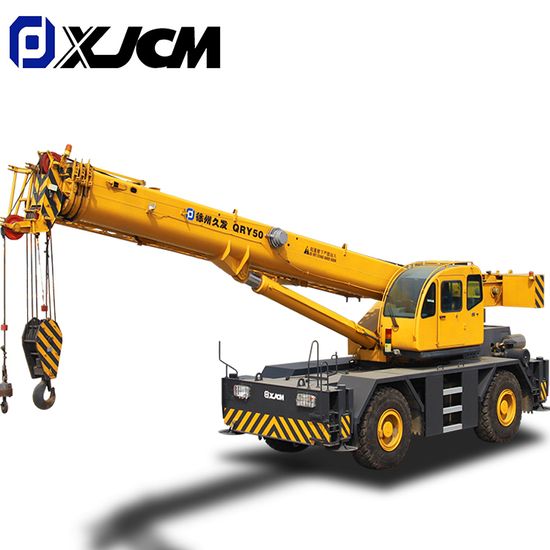
Kobelco Rough Terrain Cranes are engineered for Off-Road Construction Sites, Oil & Gas Refineries, and Infrastructure Projects where space is confined. Their 4-Wheel Drive (4WD) and 4-Wheel Steering (4WS) capabilities allow for exceptional maneuverability in mud or uneven soil. The Pick-and-Carry function is a vital feature for moving loads across short distances on-site, which significantly increases operational productivity.
Look for cranes equipped with Kobelco’s KCROSS (Kobelco Crane Remote Observation Satellite System), which allows for Remote Diagnostics, Fuel Consumption Tracking, and GPS Location Monitoring. This digital integration is essential for fleet management and reducing Unscheduled Downtime. Ensure the cabin is equipped with Ergonomic Joysticks and a High-Definition Display for better operator precision.
The most significant risks include Hidden Mechanical Defects and Inaccurate Hour Meter Readings. To mitigate this, hire a Third-Party Inspection Agency (such as SGS or Intertek) to conduct a pre-shipment inspection. Ensure the Serial Number on the chassis matches the Original Export Documents to avoid purchasing stolen or illegally modified equipment.
For high-value assets like cranes, use Irrevocable Letters of Credit (L/C) or Escrow Services provided by reputable platforms like Made-in-China.com. Avoid 100% upfront T/T payments. A standard structure is 30% Deposit and 70% upon Presentation of the Bill of Lading (B/L) after the third-party inspection report is approved.
Due to the dimensions, cranes are typically shipped via Roll-on/Roll-off (RoRo) or Flat Rack Containers. Ensure the supplier provides a Rust-Prevention Coating (Waxing) for sea transit to prevent corrosion. Confirm the Incoterms (preferably CIF or DAP) to clearly define who is responsible for the Heavy-Lift Port Charges and inland transportation to the final destination.
Many countries have strict Environmental and Age Restrictions on imported used machinery. Verify if your country requires a Pre-Export Verification of Conformity (PVoC) or a Cleanliness Certificate (to ensure no soil contamination). Consult with a Licensed Customs Broker to determine the exact HS Code (typically 8426.41) and associated import duties or Value Added Tax (VAT).