
Satisfies 1 requirement
Custom 12mm Tempered Glass Deep Processing Solar Greenhouse Glass
US$15.00
20 Square Meters(MOQ)

I have found results from200000+products and70000+suppliers aboutWholesale solar glass


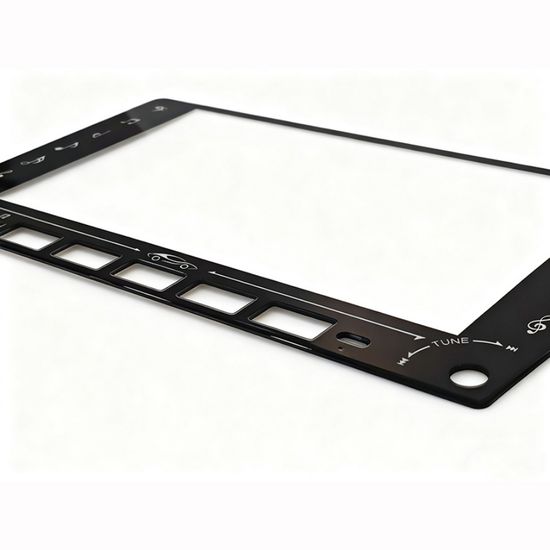
When purchasing solar glass, the most critical factor is Solar Transmittance, which should ideally be ≥91.5% for 3.2mm thickness. You must specify the type of glass: Low-Iron Patterned Glass (Tempered) is the industry standard for PV modules due to its high light transmission and low reflectivity. Additionally, ensure the Iron Content (Fe2O3) is below 150ppm to maximize energy conversion efficiency. For durability, verify that the glass has undergone Thermal Tempering to meet Impact Resistance standards (EN12150 or ANSI Z97.1).
To ensure global market access and safety, suppliers must provide ISO 9001 for quality management. For specific product safety and performance, look for IEC 61215 (terrestrial PV modules) and UL 1703 (US safety standard) compatibility. If the glass is intended for the European market, CE Marking and compliance with EN 12150-1 for thermally toughened soda lime silicate safety glass are essential. Always request Third-party Lab Test Reports from recognized bodies like TÜV Rheinland or SGS.
AR Coating can increase light transmittance by 2% to 3%, significantly boosting the power output of the final solar panel. While it increases the unit price, the Return on Investment (ROI) is higher due to increased energy yield. When sourcing, ask the supplier about the Coating Method (Sol-Gel or Roller Coating) and its Durability/Weatherability, ensuring it can withstand 25 years of outdoor exposure without significant degradation or peeling.
Solar glass is primarily used for Crystalline Silicon PV Modules, Thin-film Solar Cells, and Building Integrated Photovoltaics (BIPV). Depending on the application, you may require specific processing such as CNC Edging (C-shape or Arris edge) to prevent breakage during assembly, or Drilling/Hole Cutting for junction box attachments. For BIPV, Silk-screen Printing for aesthetic patterns or transparency control is a common requirement that should be discussed during the RFQ stage.
The biggest risk is Physical Breakage and Moisture Staining (Glass Oxidation) during long-sea transit. You must mandate Seaworthy Packaging, specifically End-cap Plywood Crates with moisture-proof paper or powder between sheets. Ensure the containers are loaded with Desiccants and use Impact Indicators (e.g., ShockWatch) on the crates. For transaction security, utilize Trade Terms like CIF or DAP only if you trust the supplier's logistics; otherwise, use FOB and appoint a specialized glass forwarder.
Solar glass pricing is highly sensitive to Raw Material Costs (Soda Ash and Low-Iron Silica Sand) and Energy Prices. It is recommended to negotiate Tiered Pricing based on volume; for example, a Full Container Load (FCL) usually triggers a 5-10% discount compared to LCL. For new buyers, platforms like Made-in-China.com allow you to identify Audited Suppliers where you can negotiate a Sample Order (1-2 crates) before committing to high-volume contracts.
Always verify the supplier's Business License and Export Qualifications. Use secure payment methods such as Letters of Credit (L/C) for large volumes or Escrow-based payment services provided by reputable B2B platforms like Made-in-China.com. Never transfer funds to personal bank accounts. Conduct a Pre-shipment Inspection (PSI) through a third-party agency to verify the Quantity, Quality (Fragmentation Test), and Packaging before the final balance is paid.
Buyers must stay informed about Anti-dumping (AD) and Countervailing Duties (CVD) imposed by their local governments on Chinese glass products (e.g., EU or US trade barriers). Check the Harmonized System (HS) Code (typically 7007.19) against your country's tariff schedule. To mitigate this, some buyers source from Chinese-owned factories located in Southeast Asia, or ensure the supplier provides a valid Certificate of Origin to facilitate customs clearance and potential duty exemptions.