
Satisfies 1 requirement
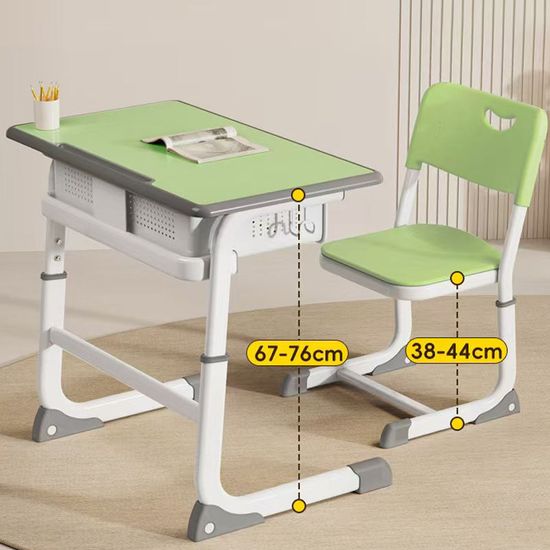
School Furniture Classroom Green Cheap Seats Plastic Table Student Desk and Chair Set Plastic School Desk Chair for Primary Kids
US$18.70-28.70
10 Pieces(MOQ)

I have found results from20000+products and7000+suppliers aboutSchool chairs for kids




When sourcing school chairs, prioritize ergonomic designs that support the natural curve of a child's spine. Ensure the products comply with EN 1729 (European standard for educational furniture) or BIFMA X6.1 (Educational Seating). Key safety features must include rounded edges (anti-collision), non-toxic BPA-free plastics, and anti-tip leg designs to prevent accidents during active use.
For high-traffic classroom environments, High-Density Polyethylene (HDPE) or Polypropylene (PP) shells are recommended due to their impact resistance and ease of cleaning. For the frame, powder-coated tubular steel (1.2mm to 1.5mm thickness) provides the best structural integrity. If sustainability is a brand requirement, look for suppliers offering recycled plastic composites or FSC-certified plywood.
Sourcing must follow a size-to-stature ratio. Typically, seat heights range from 260mm (Preschool/Kindergarten) to 460mm (High School/Adult). I recommend choosing adjustable-height models to maximize product lifecycle and versatility across different grade levels, which can significantly reduce long-term procurement costs.
Look for one-piece injection molding for the seat shells to eliminate weak points at joints. Ensure the metal frames feature welded reinforcement gussets and are finished with scratch-resistant electrostatic powder coating. Additionally, heavy-duty nylon glides or floor protectors are essential to prevent floor damage and reduce classroom noise.
The biggest risks are compliance failures and shipping damage. Ensure the supplier provides ASTM or CE certification reports before payment. To mitigate damage, specify 5-layer corrugated export cartons and request stackable designs to optimize container utilization, which can lower your landed cost by up to 25%.
Prioritize Audited Suppliers who have undergone on-site inspections by third-party agencies like SGS or Bureau Veritas. Check their 'Full Audit Report' for production capacity and quality control processes. It is highly recommended to use Secured Trading Services to ensure your payment is only released after the goods are shipped and verified.
Focus on Total Cost of Ownership (TCO) rather than just the unit price. Negotiate for spare parts (1-2% extra glides and screws) to be included at no cost. For large volumes (e.g., >1,000 units), request a customized color molding at the standard price and push for a 3-5 year structural warranty to ensure long-term value.
School furniture is bulky; therefore, Sea Freight (FCL - Full Container Load) is the most economical method. Ensure your supplier provides a Detailed Packing List and Commercial Invoice that matches your country's customs requirements (e.g., HS Code 9401.30). For US-bound cargo, ensure the supplier is familiar with CARB Phase 2 requirements if any wood components are used.