
Satisfies 1 requirement
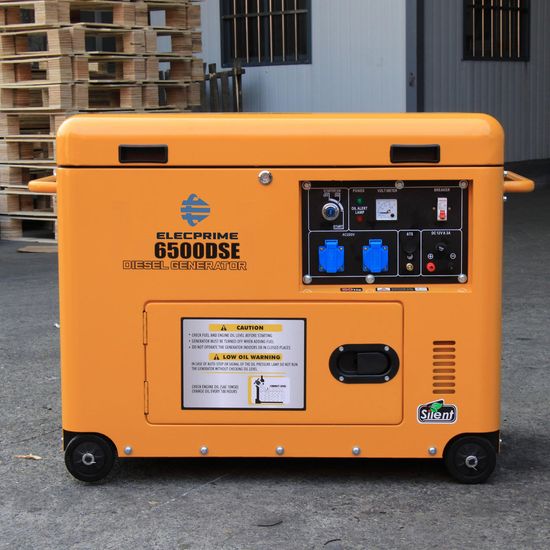
Kipor Power Good Price 7kVA Silent Diesel Generator for Salesilent
US$1,000.00-200,000.00
1 Set(MOQ)

I have found results from4000+products and1000+suppliers aboutKipor power generator




When selecting a Kipor generator, buyers must prioritize rated power output (kVA/kW) versus peak power to ensure the unit handles startup surges. Key technical factors include the alternator type (brushless is preferred for low maintenance), voltage regulation system (AVR for stable power), and cooling method (air-cooled for portable units, water-cooled for industrial scales). For digital inverter models, ensure the Total Harmonic Distortion (THD) is <3% to protect sensitive electronic equipment.
Compliance varies by destination market. For the European Union, units must carry the CE mark and meet Stage V emission standards and Noise Directive 2000/14/EC. For the USA, EPA or CARB certification is essential for exhaust emissions. Globally, look for ISO 8528 (Reciprocating internal combustion engine driven alternating current generating sets) and ISO 9001 for manufacturing quality management.
Request the fuel consumption curve at 50%, 75%, and 100% load. High-quality Kipor-style generators should feature OHV (Overhead Valve) engines for better thermal efficiency. To ensure longevity, verify the cylinder liner material (cast iron is superior) and ask for the Mean Time Between Failures (MTBF) data. A reputable supplier on Made-in-China.com should provide test reports showing stable performance over a continuous 500-hour run test.
The IG series (Inverter) is ideal for camping, medical mobile units, and home backups due to its quiet operation and clean sine wave. The KDE series (Diesel) is designed for construction sites and industrial standby power where high torque and long-duration running are required. For telecommunications, look for units with ATS (Automatic Transfer Switch) integration capabilities.
The main risks include shipping damage to sensitive AVR components, non-compliance with local emission laws leading to customs seizure, and counterfeit engine parts. To mitigate these, use Made-in-China.com's Secured Trading services and insist on pre-shipment inspections (PSI) by third parties like SGS or Intertek to verify the serial numbers and load bank test results.
Generators require maintenance; therefore, negotiate a 'wear-and-tear' spare parts kit (filters, spark plugs, gaskets) to be included in the initial bulk order. Aim for a 12 to 24-month warranty period and confirm the availability of technical English manuals and wiring diagrams. For large orders, negotiate for 1-2% free-of-charge (FOC) components to cover potential minor defects.
Generators are classified as Dangerous Goods (UN3166) if they contain fuel or oil residues. Ensure the supplier provides a Non-Hazardous Declaration by draining all fluids before shipping. For sea freight, use FCL (Full Container Load) to minimize handling risks, and ensure the units are vacuum-packed or treated with anti-rust spray to prevent corrosion from salty sea air.
Always conduct transactions through secure payment channels that offer escrow-like protection. Before transferring large sums, verify the supplier's Business License and Export Qualification on Made-in-China.com. Use Letters of Credit (L/C) for large industrial orders to ensure payment is only released upon presentation of valid shipping and inspection documents.