
Satisfies 1 requirement
Vitboo Multivitamin Injection Vitamins B Injection for Livestock
US$2.00-2.50
20 bottle(MOQ)

I have found results from30000+products and8000+suppliers aboutInjection for livestock suppliers


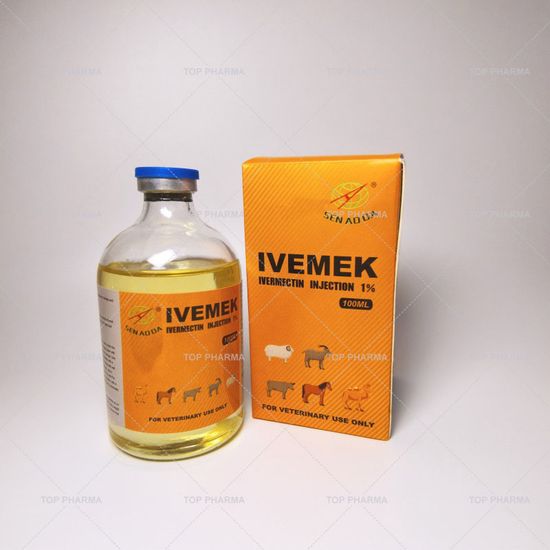

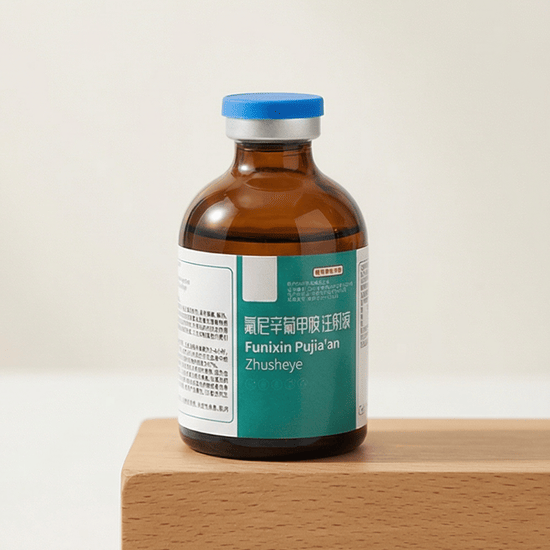


When sourcing veterinary injections, the most critical requirement is GMP (Good Manufacturing Practice) certification. You must ensure the supplier holds a valid Veterinary Drug GMP Certificate issued by their national agricultural authority. Additionally, look for ISO 9001 for quality management systems and ISO 14001 for environmental standards. For specific markets, compliance with Pharmacopoeia standards (such as USP, BP, or CP) is mandatory to ensure the purity and potency of the active pharmaceutical ingredients (APIs).
Buyers should request Stability Testing Reports (both accelerated and long-term) to verify the product's shelf life, which typically ranges from 24 to 36 months. It is vital to confirm the storage temperature requirements (e.g., 2-8°C for vaccines or cool, dark places for antibiotics) to ensure the efficacy of the medicine is not compromised during the long-haul cross-border cold chain or standard shipping process.
Specifications vary by category: For Antibiotics (like Ivermectin or Oxytetracycline), focus on the concentration percentage (w/v) and withdrawal periods. For Vaccines, prioritize titer levels and strain specificity. For Nutritional Injections (like Vitamin B12 or Iron Dextran), check the bioavailability and pH levels to minimize injection site irritation. Always request a Certificate of Analysis (COA) for every batch to verify these technical parameters.
Yes, many professional suppliers on Made-in-China.com offer OEM/ODM services. This includes customized concentrations, unique packaging sizes (from 10ml to 500ml glass or plastic vials), and private labeling in the buyer's local language. However, note that custom formulations may require a higher MOQ (Minimum Order Quantity) and additional time for local regulatory registration.
The biggest risk is Customs Seizure due to lack of proper registration. Most countries require veterinary drugs to be registered with the local Ministry of Agriculture or FDA before importation. You should choose suppliers who can provide a FSC (Free Sale Certificate) and a complete Technical Dossier to assist you in the local registration process. Failure to align with Import Permit requirements can lead to total loss of cargo.
To mitigate financial risk, utilize Secured Payment services provided by reputable platforms like Made-in-China.com. Conduct Third-Party Factory Audits (such as SGS or Intertek) to verify the supplier's production capacity and GMP compliance. Avoid paying 100% upfront; a standard 30% deposit and 70% balance against the Bill of Lading (B/L) or via Letter of Credit (L/C) is recommended for large-scale pharmaceutical orders.
Liquid injections are classified as Sensitive Goods or sometimes Dangerous Goods depending on the chemical composition. Ensure the supplier uses UN-approved packaging to prevent breakage and leakage. For temperature-sensitive products, Cold Chain Logistics with Data Loggers is mandatory. Always clarify the Incoterms; for medical supplies, CIF (Cost, Insurance, and Freight) is often preferred by buyers to ensure the supplier handles the complexities of export documentation and insurance.
Negotiation should be based on Volume Tiers and Raw Material Trends. APIs (Active Pharmaceutical Ingredients) prices fluctuate; therefore, locking in a price for a 12-month supply contract can protect you from market volatility. Ask for tiered pricing (e.g., 1,000 units vs. 10,000 units) and inquire if the supplier offers marketing support or free samples for your initial market entry.