
Satisfies 1 requirement
Chafing Dish Liquid Fuel Re-Usable Food Warming Chafing Fuel
US$0.41
54,480 Pieces(MOQ)

I have found results from8000+products and2000+suppliers aboutChafing dish fuel price


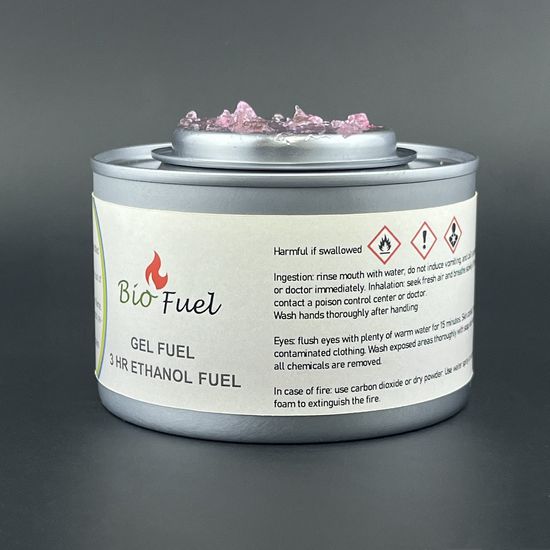


The price is primarily determined by the fuel base: Methanol (Gel), Ethanol (Gel), or Diethylene Glycol (DEG/Wick). Methanol is generally the most cost-effective but has higher toxicity risks. Ethanol is a cleaner-burning, renewable option often priced slightly higher. Wick-based DEG fuel is typically the most expensive due to its non-flammable liquid safety profile and resealable features, offering a longer, more controlled burn time (2 to 6 hours).
Buyers should demand a Material Safety Data Sheet (MSDS) and verify the burn time accuracy (e.g., a 2-hour fuel must maintain a consistent flame for at least 120 minutes). Ensure the cans are made of corrosion-resistant tinplate to prevent leaks during storage. For wick fuels, check the adjustable wick design, which allows for 'Standard,' 'High,' or 'Low' heat settings, directly impacting the fuel's utility and value.
Since these are flammable solids or liquids, they must comply with UN Class 4.1 (Flammable Solids) or Class 3 (Flammable Liquids) packaging standards. Ensure the supplier provides UN-rated cartons for sea freight. For the US market, look for ASTM standards; for the EU, ensure REACH compliance and proper CLP labeling (Classification, Labelling, and Packaging) to avoid customs seizures.
Focus on volumetric efficiency; shipping 'air' is expensive, so choose suppliers who offer high-density palletization. Negotiate based on carton weight rather than just unit price, as higher fuel density provides better value. Consider private labeling (OEM) at the source to reduce secondary packaging costs in your home market. On Made-in-China.com, look for 'Diamond Combined' suppliers who offer bulk discounts of 10-20% for full container loads (FCL).
Chafing fuel is classified as Dangerous Goods (DG). The main risk is improper declaration, which can lead to heavy fines or cargo rejection. You must ensure the supplier provides a Dangerous Goods Declaration and a Certificate for Safe Transport of Chemical Goods. Always confirm that your freight forwarder is licensed to handle DG cargo to prevent delays at transshipment hubs.
For new suppliers, use Secured Trading Services or Letter of Credit (L/C) to protect your capital. Given the commodity nature of fuel, negotiate a 30% deposit and 70% against the Bill of Lading (B/L). Request a pre-shipment inspection by third parties like SGS to verify the net weight and leak-proof sealing of the cans before the final balance is paid.
Imported fuel should be stored in a cool, dry, and well-ventilated warehouse away from oxidizing agents. Implement a First-In, First-Out (FIFO) inventory system, as gel fuels can undergo syneresis (liquid separation) if stored for over 2 years. Ensure your local facility meets fire code requirements for storing flammable materials in bulk.