
Satisfies 1 requirement
Leather 2 3 Seater Corner Togos Sofa Set Bean Bag Tatami Floor Single Sofa Chair Couch Lazy Sofa
US$90.00-120.00
2 Sets(MOQ)

I have found results from7000+products and2000+suppliers aboutBeanbag sofa


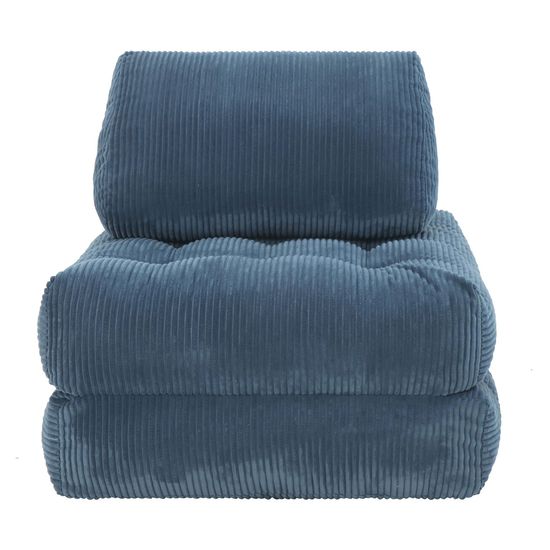


When selecting beanbag sofas, the outer cover material is paramount. For high-traffic or outdoor areas, prioritize Oxford fabric with PVC/PU coating or solution-dyed acrylic for UV resistance and waterproofing. For indoor residential markets, premium velvet, corduroy, or breathable linen are preferred. Ensure the fabric weight is at least 250-300 GSM to prevent tearing. Additionally, the inner liner should be made of non-woven fabric or polyester mesh to allow for easy cover removal and washing without spilling the filling.
The most common and cost-effective filling is High-Density Expanded Polystyrene (EPS) beads, which provide excellent support and are lightweight. For a more 'premium' feel, consider shredded memory foam, which offers superior contouring and longevity as it does not flatten as quickly as EPS. Ensure the beads are virgin grade (not recycled) to avoid chemical odors and ensure a diameter of 3-5mm for optimal density and comfort.
Compliance is critical for cross-border trade. For the US market, products must adhere to CPSC (Consumer Product Safety Commission) guidelines, specifically requiring locking safety zippers to prevent children from inhaling the filling. For fire safety, ensure materials meet CAL 117 (USA) or BS 5852 (UK) flame retardant standards. For the EU, verify that all textiles and fillings are REACH compliant and free from harmful AZO dyes and phthalates.
Request detailed photos or videos focusing on the stitching. Look for double-stitched seams or overlocked edges to prevent bursting under pressure. Ask the supplier for a load-bearing test report; a quality beanbag should withstand at least 100-150kg of static weight. Furthermore, verify the use of YKK or high-quality nylon zippers with a hidden flap (zipper garage) to protect floors and enhance aesthetics.
Beanbag sofas are 'volumetric' cargo. To maximize cost-efficiency, it is highly recommended to source 'cover only' (unfilled). Shipping the covers alone can reduce freight costs by up to 80-90%, as you can fit thousands of covers in a container compared to only a few dozen filled units. You can then source the EPS filling locally in your destination country to significantly lower the Total Cost of Ownership (TCO).
The primary risk is 'leaking' due to poor stitching. To mitigate this, use Made-in-China.com's 'Secured Trading' services and hire a third-party inspection agency (like SGS or Intertek) to perform a 'sit test' and seam strength test before the final payment. Ensure your Proforma Invoice (PI) explicitly states the fabric density and zipper safety requirements to hold the supplier accountable.
When negotiating, focus on the MOQ (Minimum Order Quantity) for custom colors or logo embroidery, which usually starts at 200-500 units. Ask for tiered pricing based on volume (e.g., 500 vs. 2000 units). If you are a first-time buyer, negotiate a sample fee refund that applies to your first bulk order. Always confirm the lead time, which typically ranges from 15 to 30 days depending on fabric availability.
Always conduct transactions through reputable B2B platforms like Made-in-China.com, utilizing their Star Buyer or Diamond Member supplier verification systems. Avoid direct wire transfers to private accounts; instead, use Escrow-based payment methods where funds are only released to the supplier once you provide the Bill of Lading (B/L) or inspection confirmation.