
Satisfies 1 requirement
300W-2200W Hybrid Solar-Ready Power Station, Parallel Capable, Lithium Battery Option, Silent for off-Grid Living
Negotiable
50 Pieces(MOQ)

I have found results from9000+products and3000+suppliers about300w solar battery power station


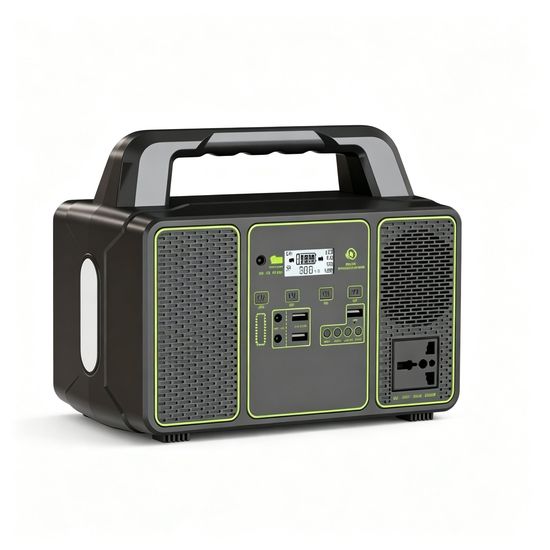


When sourcing a 300W power station, you must prioritize the Battery Chemistry, specifically LiFePO4 (Lithium Iron Phosphate), which offers over 2,000-3,000 charge cycles compared to standard Lithium-ion. Ensure the Inverter Type is Pure Sine Wave to protect sensitive electronics like laptops. Additionally, verify the Battery Capacity (Wh); a 300W rated station should ideally have a capacity between 250Wh and 300Wh to ensure efficient discharge rates.
For cross-border trade, the product must hold UN38.3 certification for safe battery transport. For market entry, ensure the supplier provides CE (Europe), FCC (USA), and RoHS (Hazardous Substances) certifications. If shipping to the US, UL 2743 is the specific safety standard for portable power stations that professional buyers should demand to mitigate liability.
Check if the unit features a built-in MPPT (Maximum Power Point Tracking) controller, which increases charging efficiency by up to 30% compared to PWM controllers. Confirm the DC Input Voltage range (typically 12V-24V) to ensure compatibility with standard foldable solar panels. A high-quality 300W station should support a Solar Input of at least 60W-100W to allow for a full recharge within 4-6 hours of peak sunlight.
Look for BMS (Battery Management System) integration, which provides protection against over-voltage, short circuits, and overheating. The output ports should include at least one USB-C PD (Power Delivery) 60W port, multiple USB-A ports, and a 12V Car Socket. For rugged use, prioritize units with ABS+PC fire-retardant shells and an informative LCD display showing real-time input/output wattage and remaining battery percentage.
Batteries are classified as Class 9 Dangerous Goods. You must ensure the supplier provides a Material Safety Data Sheet (MSDS) and a Dangerous Goods Declaration. Using a freight forwarder experienced in DG (Dangerous Goods) shipping is critical to avoid customs seizures or heavy fines. For large orders, Sea Freight (DG Container) is the most cost-effective, while Air Freight requires specialized 'Cargo Aircraft Only' labeling.
Prioritize Audited Suppliers on Made-in-China.com who have undergone on-site inspections by third-party agencies like SGS or TÜV Rheinland. Request a Sample Order to test the actual discharge capacity—many low-tier suppliers inflate 'Wh' ratings. Use Secured Trading services (like Star Direct) to ensure your payment is only released after the goods pass quality inspection.
Focus on the Cycle Life vs. Price ratio rather than just the unit cost. Negotiate for a 1-2% spare parts allowance (e.g., extra charging cables or fuses) instead of a direct discount. For orders exceeding 500 units, request OEM branding (Logo printing and custom packaging) to be included in the unit price, and aim for a 30% deposit / 70% balance after QC inspection payment structure.
Be aware of Anti-Dumping Duties or specific tariffs on lithium products in your region (e.g., Section 301 tariffs in the US). Always calculate the Landed Cost, which includes the FOB price, ocean freight, insurance, and local import duties. Ask the supplier for the correct HS Code (typically 8507.60) to accurately estimate your tax obligations before finalizing the purchase.